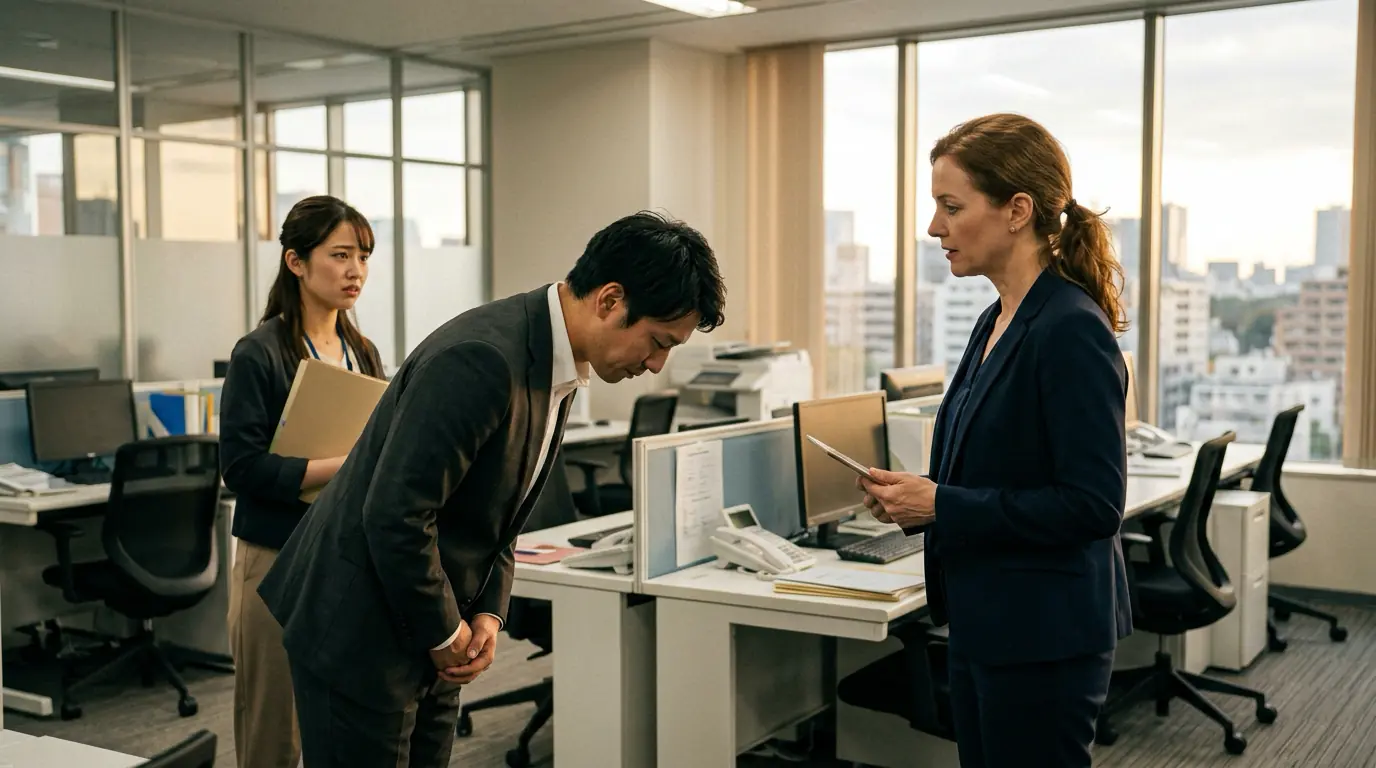
「英語のビジネスメールで謝罪をしなければならないけど、どう書いていいか分からない」「相手を不快にさせない適切な表現が思い浮かばない」そんな悩みを抱えていませんか?実は、英語圏のビジネスシーンでは、謝罪メールにも決まったパターンと表現があります。この記事では、訂正、欠席連絡、クレーム対応など、シーン別の英語謝罪メール例文を豊富に紹介し、あなたが自信を持ってビジネスメールを書けるようになるための実践的なノウハウをお伝えします。
英語謝罪メールの基本構成とマナー
英語圏のビジネスメールにおける謝罪には、日本とは異なる文化的なルールがあります。効果的な謝罪メールを書くためには、まずこの基本構成を理解することが重要です。
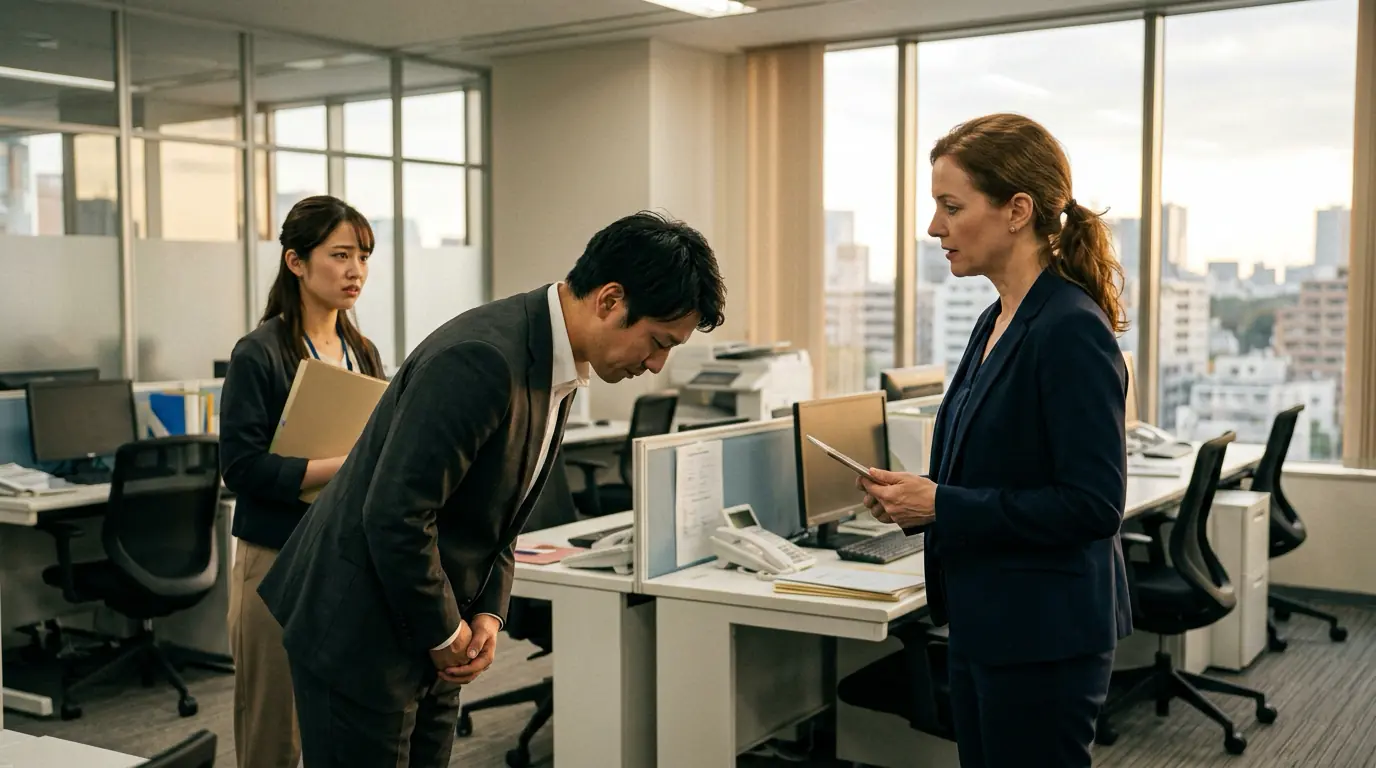
謝罪メールの基本的な流れ
- 件名:問題の内容を明確に示す
- 冒頭の謝罪:簡潔で誠実な謝罪の言葉
- 問題の説明:何が起こったかを客観的に述べる
- 責任の明確化:必要に応じて責任を認める
- 解決策・対応策:具体的な改善案を提示
- 再発防止への言及:今後への配慮を示す
- 結びの謝罪:再度の謝罪と感謝の表現
日本との文化的違いを理解する
日本では「とりあえず謝る」文化がありますが、英語圏では具体的な理由なく謝ることは避ける傾向があります。特に法的責任が問われる可能性がある場合は、慎重な表現が求められます。
- 過度な謝罪は逆に不信を招く可能性がある
- 解決策を提示することが重要視される
- 感情的な表現よりも客観的な事実を重視する
- 相手への配慮と今後への改善意識を示すことが大切
【訂正・修正】謝罪メールの例文とポイント
情報の間違いや誤解を招く内容を送ってしまった場合の謝罪メールは、迅速な対応が求められます。ここでは実践的な例文とそのポイントを詳しく解説します。

軽微な情報訂正の場合
件名:Correction – Meeting Time for Project Alpha Discussion
Dear Team,
I apologize for the confusion regarding the meeting time I mentioned in my previous email.
The correct meeting time is 3:00 PM (not 2:00 PM as stated earlier). Please update your calendars accordingly.
Thank you for your understanding, and I look forward to seeing everyone at the meeting.
Best regards,
[Your name]
重要な数値・データの訂正の場合
件名:Important Correction – Q3 Sales Figures
Dear Mr. Johnson,
I need to correct an error in the sales report I sent this morning. I sincerely apologize for any inconvenience this may have caused.
The correct Q3 sales figure is $2.4 million (not $2.8 million as previously reported). This correction affects the year-over-year growth calculation, which should read 12% instead of 18%.
I have attached the corrected report to this email. To prevent similar errors in the future, I will implement a double-check process for all financial data.
Thank you for your patience, and please let me know if you have any questions about the revised figures.
Sincerely,
[Your name]
訂正メールで使える重要表現
| 英語表現 | 日本語意味 | 使用場面 |
|---|---|---|
| I need to correct an error… | 間違いを訂正する必要があります | 重要な訂正の冒頭 |
| Please disregard my previous email | 前のメールは無視してください | 内容を全面的に取り消す場合 |
| The correct information is… | 正しい情報は…です | 正確な内容を提示する際 |
| I apologize for any confusion | 混乱を招いて申し訳ありません | 軽微な間違いの場合 |
【会議・約束欠席】謝罪メールの実例
急な欠席が必要になった場合、適切なタイミングと表現で謝罪することが、今後の関係性維持において非常に重要です。
事前連絡での欠席謝罪
件名:Unable to Attend Tomorrow’s Marketing Meeting
Dear Sarah,
I regret to inform you that I will not be able to attend tomorrow’s marketing meeting due to a family emergency that requires my immediate attention.
I apologize for the short notice and any inconvenience this may cause to the team’s schedule. I understand the importance of this meeting and am disappointed to miss the discussion about the new campaign strategy.
Could you please share the meeting notes with me afterward? I would also be happy to schedule a brief one-on-one meeting with you later this week to catch up on what I missed.
Thank you for your understanding during this difficult time.
Best regards,
[Your name]
当日の急な欠席の場合
件名:URGENT – Cannot Attend This Morning’s Client Presentation
Dear Team,
I am extremely sorry to inform you at such short notice that I cannot attend this morning’s client presentation due to a sudden illness.
I know how important this presentation is, and I deeply regret not being there to support the team. I have sent my presentation slides and talking points to Michael, who has kindly agreed to cover my portion.
Please accept my sincere apologies for this last-minute absence. I will follow up with the client personally once I have recovered to ensure continuity of our relationship.
Thank you for your understanding and flexibility.
Sincerely,
[Your name]
欠席謝罪で重要なポイント
- 可能な限り早めの連絡:相手の準備時間を確保する
- 理由の簡潔な説明:詳細すぎず、適度な説明を心がける
- 代替案の提示:資料の共有や後日の個別ミーティングなど
- フォローアップの約束:今後の対応について具体的に言及する
【クレーム対応】謝罪メールの書き方とコツ
顧客からのクレームに対する謝罪メールは、最も慎重な対応が求められる場面の一つです。適切な表現で信頼回復を図ることが重要です。

製品・サービスの不具合に対する謝罪
件名:Immediate Action on Your Product Concern – Order #12345
Dear Mr. Wilson,
Thank you for bringing the quality issue with your recent order to our attention. I sincerely apologize for the inconvenience and frustration this has caused you.
After investigating your concern, we have identified that this was due to a quality control oversight in our manufacturing process. This is not acceptable, and we take full responsibility for this error.
To resolve this matter immediately, we are:
1. Sending you a replacement product via express shipping at no cost
2. Providing a full refund for the defective item
3. Including a 20% discount on your next purchase as an apologyWe have also implemented additional quality checks to prevent similar issues from occurring in the future.
Your satisfaction is our top priority, and we are committed to earning back your trust. Please let me know if there is anything else we can do to make this right.
Sincerely,
[Your name]
Customer Service Manager
配送遅延に対する謝罪
件名:Sincere Apologies for Delivery Delay – Order #67890
Dear Ms. Brown,
I am writing to personally apologize for the significant delay in delivering your order, which was originally scheduled to arrive on March 10th.
The delay was caused by unexpected severe weather conditions that affected our logistics partner’s operations. While this was beyond our direct control, we understand that this does not excuse the inconvenience caused to you.
Your order is now being expedited and will arrive by March 18th. As an apology, we have upgraded your shipping to premium delivery at no additional cost and applied a $50 credit to your account.
We value your business and are working with our partners to improve our contingency planning to minimize such disruptions in the future.
Thank you for your patience and continued trust in our services.
Best regards,
[Your name]
クレーム対応で避けるべき表現
- 避ける:“It’s not our fault” → 使う:“We understand your frustration”
- 避ける:“You should have…” → 使う:“We will ensure that…”
- 避ける:“This never happens” → 使う:“We are improving our processes”
- 避ける:“Calm down” → 使う:“We take your concern seriously”
ネイティブが使う自然な謝罪表現
実際のビジネスシーンでネイティブが使う謝罪表現には、教科書では学べない微妙なニュアンスがあります。ここでは、省略発音も含めた実践的な表現をご紹介します。
フォーマル度別謝罪表現
| フォーマル度 | 英語表現 | 使用場面 |
|---|---|---|
| Very Formal | I offer my sincere apologies | 重大な問題・上級管理職へ |
| Formal | I apologize for the inconvenience | 一般的なビジネス場面 |
| Semi-formal | Sorry about the confusion | 同僚・軽微な問題 |
| Informal | My bad | 親しい同僚・社内のみ |
ネイティブの省略発音に注意
実際の会話やカジュアルなメールでは、以下のような省略発音が使われることがあります:
- I’m sorry → アムソリー(I’mの短縮)
- should have → シュダ(should’veの省略)
- would have → ウダ(would’veの省略)
- going to → ガナ(gonnaの省略)
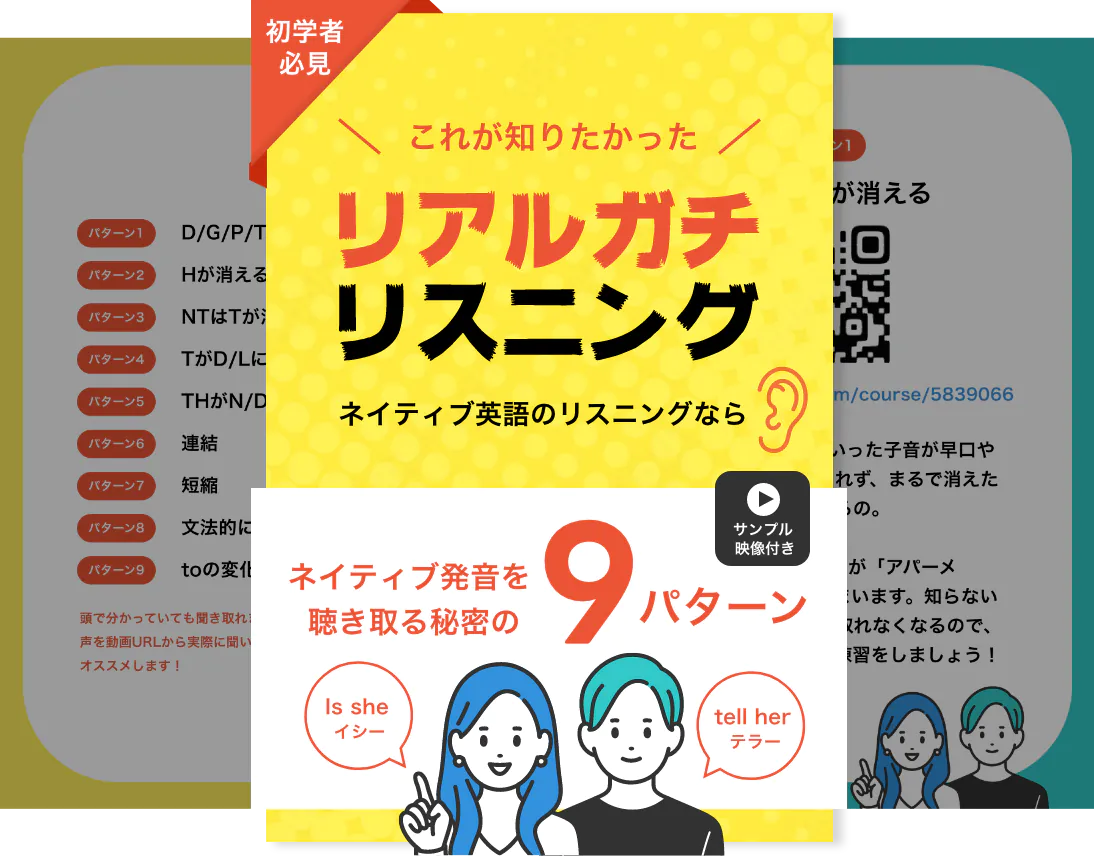
これらは法則7「短縮」に該当する発音変化で、ネイティブとの電話会議などで頻繁に耳にする表現です。
よくある質問
謝罪メールを送るタイミングはいつが最適ですか?
問題が発覚したら可能な限り迅速に送ることが重要です。24時間以内の対応が理想的で、遅くとも48時間以内には謝罪メールを送りましょう。早い対応は誠意を示し、相手の不快感を最小限に抑えることができます。
英語の謝罪メールで「Sorry」と「Apologize」はどう使い分けるべきですか?
「Sorry」はカジュアルで親しみやすい表現、「Apologize」はよりフォーマルで公式な謝罪に使います。重要な顧客や上司には「I apologize」を、同僚や軽微な問題には「I’m sorry」を使うのが適切です。
謝罪メールで責任を認めすぎると法的リスクはありますか?
確かにリスクは存在します。特に金銭的損失や安全性に関わる問題では、「We take responsibility」ではなく「We understand your concern」「We are investigating the matter」など、事実確認中であることを示す表現を使うことが賢明です。
相手から返信がない場合、再度謝罪メールを送るべきですか?
初回の謝罪メールから1週間程度待ってから、フォローアップメールを送ることをお勧めします。ただし、しつこくならないよう「ご不明な点がございましたらお知らせください」程度の控えめな表現に留めましょう。
まとめ
英語での謝罪メールは、適切な構成と文化的配慮を理解することで、相手との信頼関係を維持・回復できる重要なコミュニケーションツールです。訂正、欠席連絡、クレーム対応それぞれに適した表現を使い分け、迅速で誠実な対応を心がけることが成功の鍵となります。
特に重要なのは、日本とは異なる謝罪文化を理解し、解決策の提示と再発防止への言及を忘れないことです。これらのポイントを押さえることで、あなたも自信を持って英語でのビジネス謝罪メールを作成できるようになるでしょう。